Southampton and within 20 miles
Sleeper Raised Beds and Garden Wall Projects
Sleeper raised beds can define growing areas or separate levels, but a bed that contains soil is not automatically a suitable retaining structure. Garden walls, repairs and sleeper work are proposed scopes to confirm with Ashley at a site visit. No completed wall or raised-bed projects are claimed here.
Planned for your property
A sound foundation and a finish that belongs
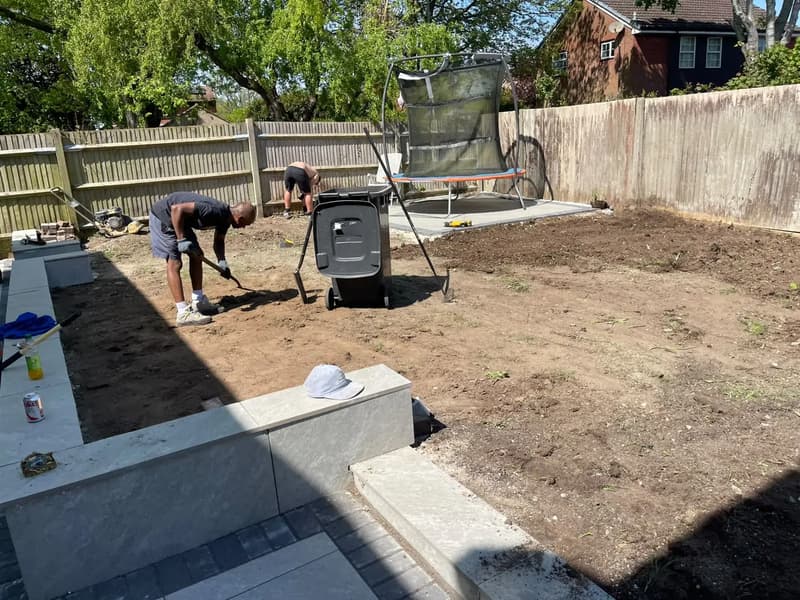
The first distinction is what the structure must hold. A low planting enclosure, a boundary wall and a wall retaining a bank have different responsibilities. Soil pressure, moisture, nearby buildings and the space for foundations all affect the design. Groundwork imagery on this page illustrates preparation only and is not a photograph of an AJ wall build.
Ashley stays closely involved from the first conversation to the final tidy-up, so you always know who is responsible for your project.
What you can expect
- Planting enclosures distinguished from retaining structures
- Access and ground conditions discussed before construction
- Proposed wall and sleeper scope confirmed individually
Beds you can actually reach
A sleeper raised bed should fit the way you intend to plant and maintain it. Consider reaching the centre without stepping onto the soil, where tools will be stored and how a wheelbarrow will reach the bed. An attractive rectangle that blocks the only route through the garden creates a problem long after the construction is finished.
The soil volume matters as much as the visible timber. Raised beds need an appropriate growing medium and a sensible moisture arrangement. A bed next to paving must contain its contents without spilling soil across the path, and corners need detailing that stays together rather than relying on the weight of loose stacked sleepers.
Containing soil versus retaining a slope
A retaining wall carries pressure from the ground behind it. That pressure changes with height, saturation and loads nearby, so a decorative bed detail should not be copied into a structural role. A wall holding up a terrace may need specialist design, including consideration of its foundations and water behind the wall.
Our sleeper retaining wall guide discusses the difference between creating levels and simply enclosing plants. For a sloping garden, start with the intended terraces and routes, then ask what support each change requires. There is no single height at which every site suddenly becomes safe or unsafe; the whole arrangement needs assessment.
Brick garden wall repairs
A leaning, cracked or bulging brick garden wall needs its cause investigated before cosmetic repairs are proposed. Failed mortar is different from a moving foundation, and replacing visible joints cannot stabilise masonry that is already shifting. Keep people clear of visibly unstable sections and seek appropriate advice rather than trying to push the wall back.
For an enquiry about garden wall builders or repairs near you, describe whether the wall is a boundary, a freestanding feature or support for higher ground. Mention cracks, movement and what sits behind it. Ashley will confirm whether the proposed repair is within scope or whether structural input is required first.
Timber choice and long-term care
Sleeper life varies with the timber, treatment, exposure and contact with wet soil. No fixed lifespan is promised. Choose material suitable for its purpose, consider how cut ends are protected and think about replacing an individual section later. Persistent saturation shortens the useful life of timber, even when the visible face looks dry.
Garden walls and beds should also leave room for upkeep. Avoid closing off access to a house wall or hiding a drain cover under the new enclosure. If the structure changes a boundary, agree ownership and the line before work. Planning requirements should be checked with the council where height, highways or protected properties are involved.
Discuss this as part of the wider garden
A wall or bed should be considered alongside the overall garden layout. Bring measurements and photographs to a redesign enquiry, explaining what it must support and where you need access.
Pricing
What shapes the quotation?
Garden wall repair cost and the cost of sleeper raised beds depend on dimensions, condition, materials, ground preparation and access. Taking down unsafe masonry, removing roots or working beside existing services can change the scope. There are no wall or sleeper price figures here. A useful quotation describes what is being built or repaired rather than simply giving a length of wall.
Timescales
Decisions before the work starts
Define the purpose
Separate a planting bed, boundary feature and soil-retaining task.
Inspect the ground
Consider foundation space, roots and nearby structures.
Check constraints
Establish whether planning, structural advice or permissions are needed.
Agree the build
Confirm materials, support and the work Ashley can undertake.
Guides
Helpful reading before you commit
Common questions
Sleeper Walls and Raised Beds: your questions answered
Do I need planning permission for a garden wall?
Permission can depend on height, location beside a highway, protected buildings and restrictions on the property. Confirm the proposal with the local planning authority rather than relying on a general garden example.
How long do sleeper raised beds last?
Longevity depends on timber specification, treatment, soil contact and how wet it remains. There is no reliable single lifespan for every bed; discuss material suitability and future maintenance.
Can a planting bed support a higher garden terrace?
Only if it has been designed for that retaining role. Soil pressure and water can make a terrace support quite different from a simple planting enclosure.
Plan ahead
Book winter groundwork so your garden is ready for spring
Autumn and winter are useful times to tackle digouts, levelling, fencing and foundations. Get the preparation done before the days get longer.
Areas covered
Local landscaping within 20 miles
Ready to improve your garden?
Arrange a free site quotation with Ashley.